
In the world of fashion, clothing is not only an external decoration, but also a reflection of personality and taste. However, have you noticed those inconspicuous clothing labels? They are not only a symbol of the brand, but also an important reference for material selection. Today, let’s take a deep look at the clothing label material to see if you are using them correctly.
Paper labels: A classic and versatile information carrier
Paper is the most common clothing label material, and its family members are rich and diverse, each with its own unique features. The surface of coated paper is smooth and delicate, just like the texture of paper in a fashion magazine. The printed patterns are colorful and detailed, and can perfectly present the brand’s carefully designed logo and exquisite product pictures. It is deeply loved by fast-moving consumer brands that pursue fashion trends and quickly update styles. It is used on new clothing of the season and instantly attracts consumers’ attention.
In contrast, the texture of kraft paper is simple and rustic, with natural fiber texture and slightly yellowed color, as if telling the story of the years. This durable, environmentally friendly material offers exceptional toughness for outdoor, workwear, and retro-style clothing. It conveys a simple, reliable atmosphere that perfectly complements garments advocating for nature and practicality.
Specialty paper is the “aristocrat” in the paper family. Cotton paper is as soft as clouds, warm to the touch, and extremely skin-friendly. High-end underwear and infant clothing often use cotton paper labels to give consumers the most gentle tactile hints. DuPont paper is waterproof, breathable and strong, and is the best choice for labels for sports and outdoor functional clothing. No matter how wet it is with sweat or attacked by wind and rain, the label information is always intact, ensuring the long-term transmission of brand information.

Plastic labels: Practical pioneers of durable and waterproof
When clothing must withstand humid or watery environments, manufacturers often choose plastic labels. PVC (polyvinyl chloride) labels offer excellent flexibility, allowing them to bend and fold easily without breaking. Consequently, brands commonly use these labels in products like raincoats and swimsuits. They are not only waterproof, but also can withstand chemical erosion from pool water or rain, ensuring that information such as washing instructions and brand logos remain fresh over time.
PET (polyethylene terephthalate) material stands out for its high transparency and glossiness, which is as clear as glass, adding a sense of refinement to clothing. Some high-end fashion brands will choose PET labels, combined with hot stamping, laser and other processes to make the brand name shine and enhance the overall grade of clothing. They are often used in formal dresses and high-end custom clothing to highlight luxurious quality.

Fabric : A harmonious choice that blends seamlessly with clothing
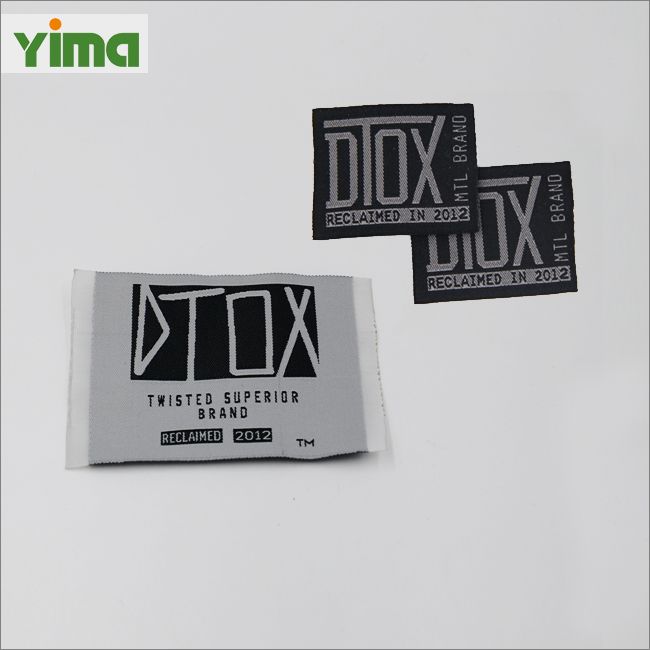
Fabric labels are the “close relatives” of clothing. They are made of various types of fibers and blend naturally with the clothing label material . Cotton fabric labels are soft, comfortable, and breathable. They are like an extension of the clothing itself and will not cause any discomfort to the skin. They are widely used on daily cotton T-shirts and shirts, so that consumers can hardly feel the existence of the labels when wearing them.
Polyester fabric labels, with their stiffness and wrinkle resistance, perform well on clothing that needs to keep the shape of the labels flat, such as suits and professional suits. Even after multiple wearing and washing, they can still display brand information dignifiedly and maintain the professional image of clothing.
For some clothing with ethnic style and handicraft characteristics, linen fabric labels are the finishing touch. The rough texture and natural color complement the hand-embroidered and printed clothing, conveying a strong cultural heritage and artistic atmosphere.
Leather: The ultimate endorsement of luxurious texture
In the field of high-end fashion, leather labels are a symbol of quality and luxury. Natural leather has delicate texture and warm touch, and each piece of leather is unique, like a work of art. Leather labels on high-end leather goods, leather clothes, and leather shoes usually use exquisite embossing technology to deeply imprint the brand logo, exuding a low-key and luxurious atmosphere, allowing consumers to perceive the brand’s exquisite craftsmanship and high-end positioning at a glance.
Although artificial leather lacks the unique charm of natural leather, it is better in cost control, diverse colors and styles, and can meet different design needs. For some brands that want to test the waters in the mid-to-high-end market and take into account both quality and price, artificial leather labels are also a good choice.

Obviously, both fashion designers and buyers need to comprehensively consider factors such as clothing style, functional requirements, cost budget, and brand positioning. Only by accurately selecting materials can the “little green leaf” of clothing labels perfectly set off the “big red flower” of clothing, helping the brand to shine on the fashion stage.
FAQ
Recommended based on washing frequency:
Frequent washing (such as sportswear): polyester woven label (50+ washable) or TPU heat transfer label (waterproof and wrinkle-resistant)
Moderate washing: non-woven fabric (30 machine washable) or nylon cloth label
Dry cleaning/hand washing: coated paper hang tag (laminated) or cotton woven label
(Test data: shrinkage of polyester label after washing at 40°C <0.5%)