
For clothing and accessories designers and buyers, understanding the characteristics of the world’s major clothing accessories production countries will help make wise purchasing and design decisions. Here are some key countries for you.
China: A well-developed accessories giant
Advantages
China is one of the world’s largest clothing accessories producers, with an extremely complete industrial system. From buttons and zippers to lace and lining, all kinds of accessories are available, which can meet various procurement needs in one stop. At the same time, China has a strong manufacturing base, mature production technology, and large-scale production brings cost advantages, which are very competitive in terms of price. In addition, China’s supply chain is fast in response and can quickly respond to market changes and meet urgent order needs.
Disadvantages
Some small factories in some regions may not be strict enough in implementing environmental protection standards, and occasionally there will be uneven quality. In addition, as labor costs gradually rise, the cost advantage of some low-end accessories has been weakened.
Features
China’s accessories products keep up with fashion trends in design, and can quickly capture popular elements and integrate them into products. For example, in button design, popular colors and patterns of the season are often combined to create something new.
Italy: A symbol of luxury and quality
Advantages
Italy is known for its exquisite craftsmanship and high-end quality, and is the leader in the production of high-end clothing accessories. The fabrics, leathers, buttons and other accessories it produces pay attention to details and texture, and are of high quality, which can add unique charm to high-end clothing brands. Italian designers are creative, and the accessories design is full of artistic sense, often leading the global fashion trend.
Disadvantages
High quality brings high costs. The price of Italian accessories is generally high, which limits its competitiveness in the mid- and low-end markets. The production cycle is relatively long, and it is difficult to meet orders with tight time.
Features
Italian accessories often use high-end raw materials, such as rare leathers, natural gemstones, etc., combined with traditional handcrafts to create luxurious and unique products. For example, its handmade silk ribbons have a delicate texture and exquisite craftsmanship.
Japan: Combination of exquisite craftsmanship and innovation
Advantages
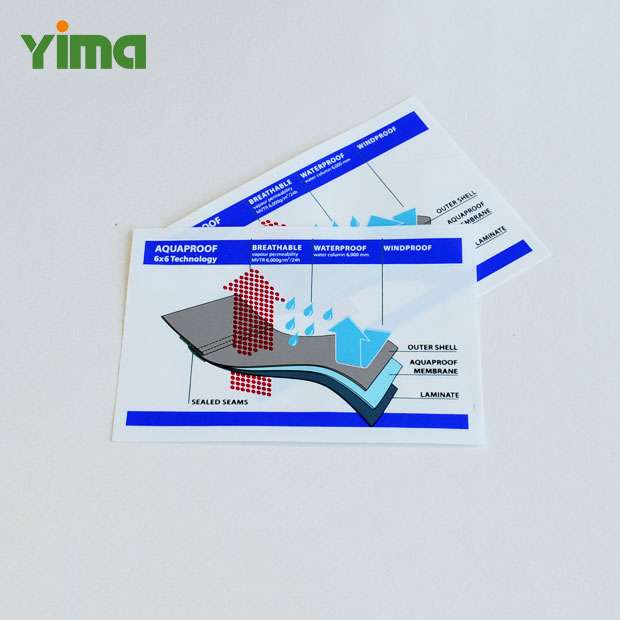
Japanese clothing accessories are famous for their fine craftsmanship and innovative technology. In products such as zippers and sewing threads, they show extremely high quality stability and durability. Japanese companies focus on research and development, and continue to launch new functional accessories, such as waterproof and breathable linings, antibacterial and deodorizing sewing threads, etc., to meet consumers’ demand for functional clothing.
Disadvantages
Product prices are usually high, and the market positioning tends to be mid-to-high-end. Moreover, the extreme pursuit of details and quality in Japanese culture sometimes leads to complex production processes and relatively low production efficiency.
Features
Japanese accessories are simple and exquisite in design, focusing on the balance between functionality and aesthetics. For example, the buttons they design are simple in shape, but unique in material and craftsmanship, reflecting the exquisite Japanese aesthetics.
India: Rich raw materials and ethnic customs
Advantages
India has abundant natural fiber resources, such as cotton and silk, which provide high-quality and low-cost raw materials for the production of accessories. India’s accessories products have strong ethnic characteristics, such as colorful embroidery lace and unique printing and dyeing patterns, which add a unique cultural charm to clothing.
Disadvantages
The production technology and equipment are relatively backward, and there are deficiencies in large-scale production and product quality stability. You need to improve infrastructure construction, and the low efficiency of logistics distribution may affect the timeliness of supply.
Features
Indian accessories are famous for their unique ethnic craftsmanship and rich colors. Hand-dyed fabrics and embroidery accessories with traditional patterns show strong Indian cultural characteristics and are deeply loved by designers who pursue unique styles.
Understanding the characteristics of these countries in the production of clothing accessories can help clothing and accessories designers and purchasing personnel to choose the most suitable source of accessories according to their own brand positioning and product needs, and improve product competitiveness.
FAQ
China is highlighted as the primary choice for businesses seeking a balance between cost-efficiency and rapid turnaround. As one of the world’s largest producers, China offers a “one-stop” procurement experience due to its highly developed industrial system.
Key Strengths: Large-scale production leads to competitive pricing, and a mature supply chain allows for a fast response to market changes or urgent orders.
Trade-offs: Some small-scale manufacturers may have inconsistent quality or less stringent environmental standards. Additionally, rising labor costs are beginning to impact the pricing of lower-end accessories.
While both countries are known for high quality, their focus and characteristics appeal to different design needs:
Italy (Luxury and Artistry): Italian production is synonymous with high fashion and artistic flair. It focuses on exquisite craftsmanship and the use of premium raw materials like rare leathers and gemstones. It is the go-to for high-end brands looking for accessories that double as art pieces, though it comes with higher prices and longer production cycles.
Japan (Technical Precision and Innovation): Japanese production emphasizes stability, durability, and functional innovation. They are leaders in creating high-performance components, such as waterproof linings or antibacterial threads. Their design aesthetic is generally more minimalist and functional compared to the more ornate Italian style.