
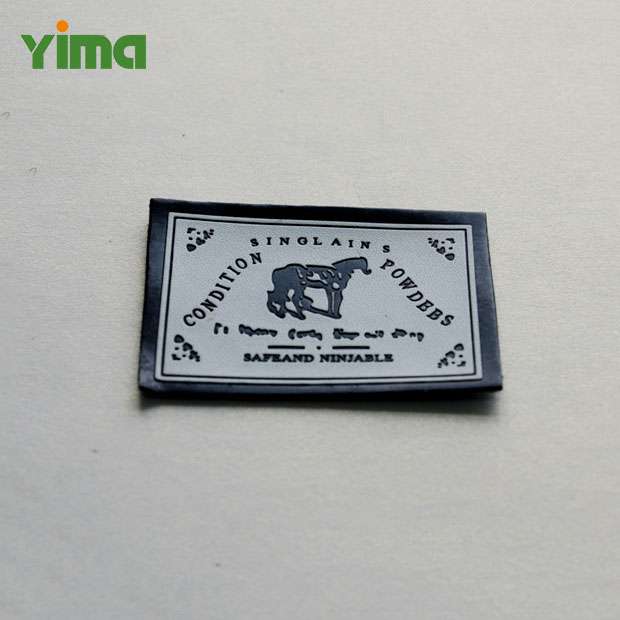
In the fashion industry, clothing label are often regarded as insignificant. But in fact, they are the key medium for brands to convey concepts, values and information to consumers. For global clothing and accessories designers and buyers, innovative clothing labels are not only product logos, but also a powerful tool to enhance brand image and enhance consumer experience.
1. Material innovation: the integration of environmental protection and texture
Traditional paper labels are easily damaged by wear and moisture, and it is difficult to meet the dual pursuit of quality and environmental protection by modern consumers. The application of innovative materials has brought new vitality to label design. Labels made of degradable materials, such as plant fibers or bio-based polymers, not only conform to the current environmental protection trend, but also demonstrate the brand’s commitment to sustainable development.
Recycled fabrics are also an innovative choice for label materials. The use of recycled fabrics that echo the fabric of clothing can not only enhance the overall texture of the product, but also strengthen the brand’s environmental image. The silicone label, due to its soft and elastic properties, adds a unique touch to the clothing and enhances the added value of the product.
2. Design innovation: Upgrading vision and interaction
Visual impact: Breaking through traditional shapes and color combinations is an effective means to attract consumers’ attention. Irregularly shaped labels, such as those that imitate natural forms or geometric abstract designs, can stand out from many clothes. Boldly using contrasting color combinations, or combining gradient colors, fluorescent colors and other elements, can create a visually impactful effect. In addition, incorporating brand logos into label design with unique artistic fonts can help strengthen brand recognition.
Interactive elements: In the digital age, adding QR codes or NFC chips to labels can provide consumers with a more diverse interactive experience. By scanning the QR code, consumers can obtain rich information such as clothing design inspiration, matching suggestions, and washing and maintenance guides. NFC chips can achieve more convenient interaction, such as automatically jumping to the brand’s official website or social media page, to enhance the connection between the brand and consumers.
3. Functional innovation: empowerment of intelligence and anti-counterfeiting
Smart labels: With the development of Internet of Things technology, smart labels are gradually becoming a reality. Such labels can monitor the number of times clothing is worn and washed in real time, and even collect the wearer’s exercise data through built-in sensors to provide consumers with personalized health advice.
For example, smart labels on sportswear can record information such as exercise duration, steps, and calories consumed, helping consumers to exercise scientifically.
Anti-counterfeiting function: For high-end brands, anti-counterfeiting labels are an important line of defense to protect brand reputation and prevent counterfeit and shoddy products. By using special printing technologies such as invisible ink, laser anti-counterfeiting, microtext, etc., or using encrypted identification and blockchain technology, the authenticity and traceability of each product can be ensured.
4. Cultural Fusion: Dialogue between Tradition and Modernity
Integrating different cultural elements into label design can give clothing a profound cultural heritage and storytelling. Whether it is traditional Chinese embroidery, Japanese Ukiyo-e art, or European classical patterns, they can add a unique cultural charm to clothing. This cultural fusion can not only attract fans of specific cultures, but also promote cross-cultural communication and understanding, and enhance the international influence of the brand.
The imagination of designers and buyers is the source of innovation. The innovation space of clothing labels is very broad. Through multi-dimensional innovations in materials, design, function, and culture, global fashion brands can transform clothing labels from supporting roles into core product highlights and a source of new vitality for the industry.
FAQ
Intelligent interactive labels:
NFC chip labels: touch with mobile phone to obtain traceability information
Temperature sensing labels: display suitable washing temperature
Environmentally friendly innovative labels:
Seed labels: plantable plant fiber labels
Water-soluble labels: automatically dissolve after soaking in cold water
Multi-functional labels:
Removable size labels: avoid discomfort
Fragrance slow-release labels: implant brand-exclusive fragrance