
Earring card shapes have a direct impact on the display quality, style, and consumer experience. This can be analyzed from the following perspectives:
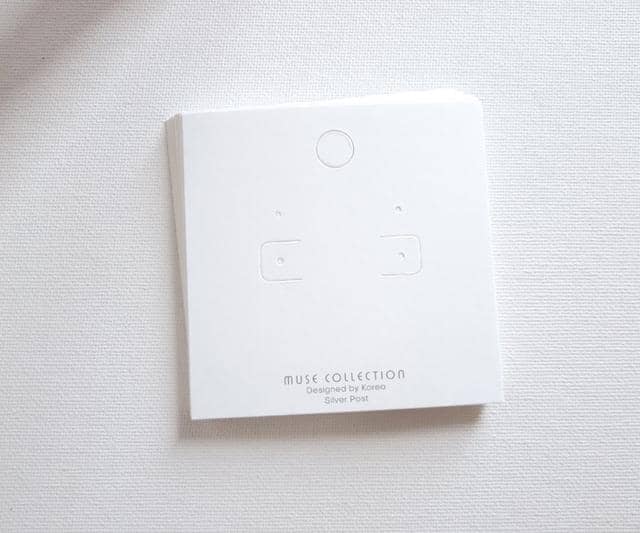
1. Conventional Geometric Shapes (Rectangular, Square, Round): Emphasize practicality and versatility
Rectangular/Square
Display Stability: Earring card shapes of this type offer regular edges and standardized hole or hook placement. This allows earrings (especially long earrings and drop earrings) to hang vertically or symmetrically, preventing wobbling. They are suitable for displaying simple, sleek earrings, such as minimalist metal earrings and everyday stud earrings.
Information Carrying Advantages: The large surface area allows for clear printing of brand logos, material descriptions, pricing, and other information, while leaving ample display space for the earrings, creating a more organized and visually tidy appearance. These are commonly used in brand counters and e-commerce packaging.
Style Adaptability: These neutral and versatile shapes complement vintage, modern, and minimalist styles, allowing for color and pattern adjustments to complement the earrings without overshadowing the earrings themselves.
Round
Softening Effect: Round edges have smooth edges, softening the sharpness of the earrings. They pair well with sweet and gentle earrings, such as pearl studs or floral-shaped earrings, creating a soft and welcoming vibe.
Focusing Display: The symmetry of a circle draws the eye to the center. If the earrings feature a central motif (such as a cartoon character or gemstone inlays), a round card can enhance the focal point and make the details stand out.
2. Creative Shapes (Hearts, Flowers, Animals, Geometric Patchwork): Enhance the Style Memorability
Theme-Echoing Shapes (Hearts, Flowers, Animals)
Style Enhancement: If the earrings themselves are girly or cute (such as heart stud earrings or cat earrings), pairing them with a heart-shaped or animal-shaped card can create a “theme connection,” enhancing the overall design’s cohesion and playfulness, making the display more storytelling and appealing to younger consumers (such as students and teenage girls).
Emotional Resonance: Hearts convey romance, flowers convey a natural and refreshing vibe, and animal shapes convey playfulness. These cards can convey emotional meaning through their shapes, enhancing the earrings’ gift value and making them suitable for holiday gift packaging.
Geometric Patchwork / Irregular Shapes
Modern and Individual: Irregular shapes with cut edges, such as triangular or trapezoidal shapes, can highlight the earrings’ design and avant-garde appeal. They pair well with minimalist, industrial, or artistic earrings (such as geometric metal earrings or exaggerated acrylic designs).
Visual impact: The irregular shape breaks the stereotype of traditional cards and can quickly attract attention in displays. It is suitable for offline store window displays or social media photo promotions, enhancing the “check-in attribute”.
3. 3D/Folding Shapes: Enhance Interaction and Layered Design
3D Shapes (e.g., 3D flowers, 3D stands)
Multi-Angle Display: 3D cards allow earrings to be viewed from the front, side, and even from above. They are suitable for displaying earrings with a sense of depth (e.g., layered earrings, 3D relief earrings), avoiding the “flat” feel of a flat display and allowing consumers to more intuitively experience the wearing experience.
Conveying a Premium Quality: 3D craftsmanship requires higher production standards and can convey a sense of quality. They are often used in high-end jewelry or designer brands to enhance the product’s “luxury” feel.
Folding Shapes (e.g., folding cards, pull-out cards)
Functionality and Interaction: Folding cards can conceal information (e.g., care instructions, brand story), allowing consumers to unfold the card to access more content, enhancing the interactive experience. The folding design also saves storage space and facilitates transportation and storage, making it ideal for situations where portability is required (e.g., trade show samples, online shipping).
Summary: The Core Logic of Shape Selection
The shape of an earring card should match the earrings’ style (sweet/retro/edgy), display context (display/packaging/promotion), and target audience (young girls/mature women/design enthusiasts):
Regular shapes emphasize practicality and information delivery, suitable for mass-market items and everyday sales;
Creative shapes emphasize style enhancement and visual appeal, suitable for personalized or gift-oriented earrings;
Three-dimensional/folded shapes emphasize experience and a sense of luxury, suitable for designer items or high-end brands.
The ultimate goal is for the card to “enhance, not overshadow, the earrings.” By synergizing the shape with the earrings’ style, the overall display effect and consumer purchase desire are enhanced.
FAQ
Conventional geometric shapes provide high display stability because their regular edges and standardized hole or hook placements keep earrings hanging vertically or symmetrically, preventing wobbling. Additionally, their larger, flat surface area makes them highly practical for e-commerce and retail counters, leaving ample space to clearly print essential brand logos, pricing, and material descriptions without overcrowding the display.
Creative shapes (like hearts, flowers, or animals) are ideal when a brand wants to build emotional resonance or echo a specific theme, making them great for gift packaging or targeting younger consumers. Irregular or geometric patchwork shapes (like triangles or trapezoids) are perfect for breaking traditional stereotypes and adding visual impact, helping avant-garde, minimalist, or artistic jewelry designs stand out in window displays and on social media.