
Embroidered patches for clothes are a fantastic way to personalize your wardrobe, add flair to jackets, jeans, or bags, and express your unique style. Whether you prefer iron-on or sew-on patches, selecting the right design, size, and color can make all the difference.
In this guide, we’ll explore how to pick the best custom embroidered patches that match your personality, outfit, and occasion while ensuring long-lasting quality.
1. Determine Your Style
Minimalist & Modern
If you love clean designs, opt for geometric shapes, monochrome stitches, or subtle line art. These work well on denim jackets, backpacks, and caps.
Vintage & Retro
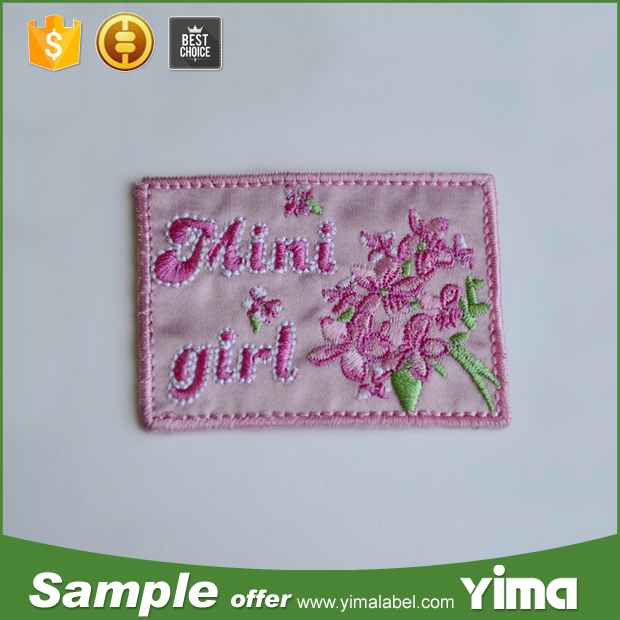
For a nostalgic touch, choose floral motifs, classic emblems, or distressed-looking patches. These are perfect for leather jackets and vintage-style clothing.
Trendy & Bold
Stand out with pop culture references, neon colors, or oversized embroidered badges. Great for streetwear and statement outfits.
Cultural & Artistic
If you appreciate traditional craftsmanship, look for ethnic-inspired embroidery, folk patterns, or hand-stitched details.
2. Match the Garment Type
Not all sew-on patches suit every fabric. Consider these pairings:
Denim Jackets & Jeans – Durable fabrics handle thick embroidered badges well. Try biker patches or vintage logos.
T-Shirts & Sweaters – Lightweight fabrics need thin, iron-on patches to avoid stiffness.
Hats & Bags – Small, intricate designs work best for curved surfaces.
3. Consider the Occasion
Casual & Everyday Wear
Go for fun, expressive designs like cartoon characters, band logos, or quirky slogans.
Formal & Work Attire
Opt for subtle, elegant embroidery, such as monogram initials or delicate floral accents on blazers.
4. Color Coordination Tips
Complementary Colors – Match the patch to your outfit’s palette (e.g., black jacket + gold embroidery).
Contrasting Hues – Make the patch pop (e.g., white denim + red embroidered design).
Neutral Tones – Beige, black, or white patches blend seamlessly with any clothing.
5. Size & Placement Matters
Large Patches (3”+) – Ideal for jackets, backpacks, and hoodies.
Medium (1”-3”) – Great for sleeves, caps, and jeans.
Small (<1”) – Perfect for collars, pockets, and accessories.
6. Quality & Durability Factors
When selecting embroidered patches for clothes, check:
✔ Stitching Density – Tight, even stitches last longer.
✔ Backing Material – Iron-on adhesive vs. sew-on for flexibility.
✔ Fray Resistance – Merrowed edges prevent unraveling.
Best Places to Use Embroidered Patches
Denim Jackets – Classic and customizable.
Backpacks & Tote Bags – Adds personality.
Hats & Beanies – Small, stylish accents.
Jeans & Shorts – Edgy, personalized touch.
Conclusion
Choosing the right embroidered patches for clothes depends on your style, garment type, and how bold you want to go. Whether you prefer iron-on patches for quick application or hand-stitched designs for a vintage feel, the right patch can transform any outfit.
FAQ
The choice depends on the garment material and how permanent you want the patch to be. Iron-on backings are the most popular for their ease of use on cotton or denim, providing a quick bond with a standard heat press or iron. For high-durability items like workwear or bags that face heavy friction, sew-on patches are recommended as they offer the most secure, long-term attachment. Alternatively, Velcro (hook and loop) backings are ideal for uniforms or hats where patches need to be swapped out frequently.
The primary factors are the embroidery percentage and the border style. A patch with 100% embroidery coverage offers a premium, textured look where no background fabric is visible, making it ideal for complex designs. Additionally, the border plays a key role: merrowed borders provide a classic, raised edge best suited for standard shapes like circles or rectangles, while heat-cut (die-cut) borders are necessary for intricate, custom shapes to ensure the edges remain sharp and do not fray.