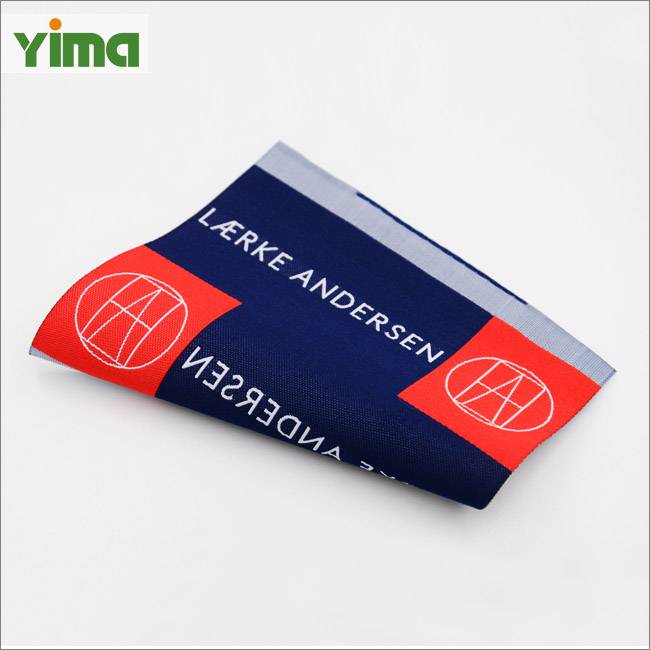
Cloth labels for clothing are common identification elements on clothing, which are used to display important content such as brand information, size, and washing instructions. The following is a detailed introduction to clothing labels:
Cloth labels are usually made of fabrics that match the fabric of the clothing to ensure its durability and comfort. Common materials include cotton, polyester, nylon, etc. These materials have good moisture absorption, breathability, and wear resistance, and can meet the needs of different clothing.
Brand information: Cloth labels usually have brand names, logos, or trademarks printed on them to show the brand identity of the clothing.
Size information: For clothing that needs to be marked with size, the cloth label will contain size identification, such as S, M, L, etc., to help consumers choose the right size.
Washing instructions: Cloth labels will also be printed with washing instructions, including washing temperature, washing method, drying method, etc., to ensure that consumers can properly maintain the clothing.
Other information: Depending on the characteristics and needs of the clothing, the cloth label may also contain other information, such as origin, production date, ingredient ratio, etc.
There are many production processes for clothing labels, including heat transfer, weaving, embroidery, etc.
Heat transfer: The designed pattern or text is transferred to the fabric through heat transfer technology. This method is fast and low-cost, but the durability is relatively poor.
Weaving: The yarn is interwoven into a cloth label with a specific pattern or text through a weaving machine. The cloth label made by this method has good durability and strong texture, but the cost is relatively high.
Embroidery: Use embroidery needles and threads to embroider patterns or text on the fabric. The cloth label made by this method has a unique three-dimensional sense and texture, but the production speed is slow and the cost is also high.
Clothing label play an important role in clothing. It not only has the function of identification, but also can enhance the brand value and beauty of clothing. Through well-designed labels, consumers can more easily identify brands, understand product information, and have a sense of trust and belonging to clothing.
In addition, clothing labels are also one of the important means of brand communication and marketing. A unique and creative cloth label design can attract consumers’ attention and enhance brand awareness and reputation.