

YIMA se dedica a los complementos de ropa.
Los principales productos son: etiquetas colgantes, cordones para etiquetas colgantes, etiquetas de transferencia térmica, parches de cuero o metal, parches bordados, cajas y bolsas de embalaje, etiquetas impresas, parches de PVC o silicona, etiquetas tejidas, etc.
There are many types of label of clothes, which can be divided into many types according to the materials, functions, sewing methods and manufacturing processes.
Common types of labels include:
Metal label of clothes: Metal labels and accessories used for clothing, hats or bags, which can be engraved with brand logos. Common ones include aluminum labels, stainless steel labels, silver labels, copper labels, brass labels, zinc alloy labels, etc.
>Leather labels: Labels with leather materials, suitable for clothing jackets, jeans, hats, bags, etc.
>Leather clothing labels come in artificial (PU), genuine leather, or suede (microfiber) options, offering personalization through printing, embossing, or gold/silver hot stamping.
>PVC (rubber, silicone) labels: Made of soft PVC rubber material, special labels and patches designed for clothing, jackets, bags, hats, canvas and outdoor products. PVC labels and silicone labels are rubber labels and can be used by sewing, Velcro, self-adhesive, soft magnetic backing, etc.
Fabric labels: Made of cloth material, durable and soft, very suitable for T-shirts, jackets, shirts, pants, children’s clothing, etc. Materials include satin, nylon, taffeta, polyester, tape, silk ribbon, non-woven fabrics, cotton, etc.
>TPU label: also known as transparent clothing label tags, is a soft and thin label on a rubber-like material with a logo printed on it. The main material is TPU (thermoplastic polyurethane) material, which is more environmentally friendly than silicone and PVC. It presents a bright, transparent or translucent effect and is suitable for clothing such as swimsuits and underwear.
>In addition, there are many types such as heat transfer labels, hot stamping labels, sewn labels, woven labels, printed labels, embroidered labels, high-frequency labels, etc.
>Label content
Clothing label tags usually contain the following important information:
Brand information: including brand name, brand logo, etc., used to display brand image and distinguish products from different brands.
Fabric composition: Indicates the fabric composition used in clothing, such as cotton, wool, silk, linen, polyester, nylon, etc. This helps consumers understand the material and performance of clothing.
>Washing instructions: Provide the correct washing method, including washing temperature, detergent type, washing method (such as hand washing, machine washing, dry cleaning, etc.) and precautions for drying and ironing. These instructions are essential to protect clothing and extend its life.
>Size information: Provide clothing size information, such as height, chest circumference, waist circumference, etc., as well as body type classification (such as Y, A, B, C, etc.) to help consumers choose the right size.
>Safety category: Safety standards divide clothing into Category A (infant and toddler products), Category B (products that directly contact the skin), and Category C (products that do not directly contact the skin) based on its intended use and skin contact. This helps consumers understand the safety performance of clothing.
Implementation standards: Indicate the national or industry standards followed by clothing, such as national standard GB/T, industry standard FZ/T, etc. This helps consumers understand the production quality and compliance of clothing.
Other information: It may also include the place of production, production date, quality grade, inspection certificate, etc.
The role of labels
Clothing labels play an important role in clothing. They provide various key information about clothing to help consumers make wise purchasing decisions. At the same time, labels are also an important means of brand promotion and quality control. Through labels, brands can show consumers the characteristics and advantages of their products and enhance consumers’ trust and loyalty to the brand. In addition, labels can help consumers understand the correct washing and care methods for clothing, thereby extending the life of clothing and maintaining its good appearance and performance.
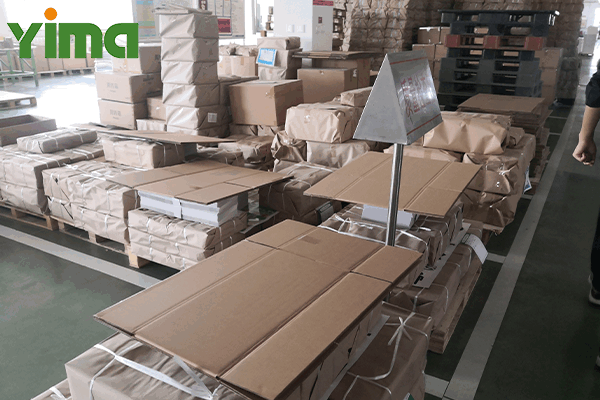
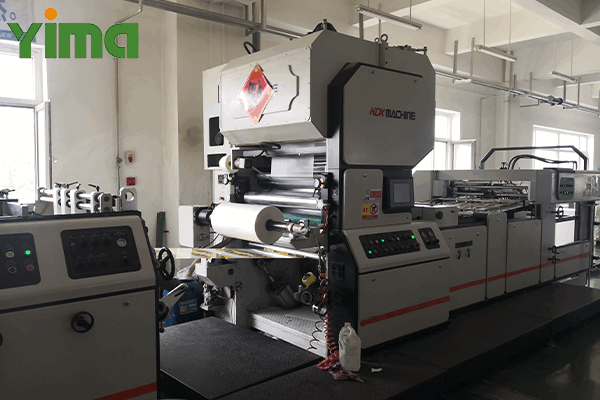
Equipos Yima


Información sobre la entrega
¿Cómo se realiza el envío?
Debemos tener en cuenta tanto el tiempo de envío como el coste para elegir el mejor medio de transporte, que sea rápido y económico.
Contamos con un sistema logístico completo, que incluye transporte aéreo, marítimo, ferroviario, por carretera, envíos urgentes, etc.
Entre nuestros principales socios se encuentran: DHL (miembro), FedEx (miembro), UPS, K&N, etc.
Tiempo de envío estimado (de puerta a puerta):
• Exprés (DAP): de 4 a 8 días laborables.
• Por vía aérea (DDP o DAP): de 10 a 12 días laborables
• Ferrocarril y camión (DDP): 30-40 días laborables
• Envío rápido (DDP): entre 24 y 28 días laborables
• Envío (DDP): entre 40 y 50 días laborables
El plazo de entrega depende del peso de la mercancía y del país o región.
