

YIMA se dedica a los complementos de ropa.
Los principales productos son: etiquetas colgantes, cordones para etiquetas colgantes, etiquetas de transferencia térmica, parches de cuero o metal, parches bordados, cajas y bolsas de embalaje, etiquetas impresas, parches de PVC o silicona, etiquetas tejidas, etc.
Vintage clothing labels are an important part of vintage clothing. They not only carry basic information such as the brand, size, washing instructions, etc. of the clothing, but also reflect the aesthetic style and cultural characteristics of a specific era. The following is a detailed analysis of vintage clothing labels:
Material: Vintage clothing tags feature a variety of materials, including paper, cloth, and leather. Paper labels typically appear on modern vintage-style clothing, while cloth and leather labels show up more frequently on real antique garments. The choice of these materials often matches the overall style and positioning of the clothing.
Craftsmanship: The craftsmanship of vintage clothing label also has its own characteristics, such as printing, embroidery, and branding. Printing technology is suitable for mass-produced vintage-style clothing, while embroidery and branding are more used in high-end custom or antique clothing. These processes not only increase the ornamental value of the label, but also enhance the overall value of the clothing.
Brand information: Vintage fashion labels usually have brand names, logos or abbreviations printed on them, which is an important basis for identifying clothing brands. Some well-known brands such as Chanel and Gucci have highly recognizable brand information on their labels.
Size and washing instructions: Vintage clothing label also include size information and washing instructions. Size information is usually expressed in the form of numbers or letters, while washing instructions may be in the form of icons or text descriptions. The existence of this information helps consumers better understand and use clothing.
Era characteristics: The text, patterns, and layout on vintage clothing label often have distinct era characteristics. For example, clothing labels in the early 20th century may use handwritten fonts or simple printed patterns, while labels in the mid-to-late 20th century may be more refined and complex. By observing these characteristics, you can roughly judge the age and style of the clothing.
Identification of authenticity: When identifying the authenticity of vintage clothing tag, you need to pay attention to the material, craftsmanship, content, and overall style of the label. Real antique clothing label often have natural aging phenomena such as wear and fading, while counterfeit labels may be too new or flawless. In addition, the authenticity of the label can be further judged by comparing the product characteristics of the brand in different eras.
Collection value: Vintage clothing labels are not only practical, but also have certain collection value. Some labels of well-known brands or specific eras may have high market value and become the object of pursuit by antique clothing collectors. Therefore, when collecting vintage clothing, you also need to pay attention to the integrity and preservation status of its labels.
In summary, vintage clothing labels are an important part of vintage clothing. They carry basic information such as the brand, size, washing instructions, etc. of the clothing, and reflect the aesthetic style and cultural characteristics of a specific era. When identifying and collecting vintage clothing, you need to pay attention to the material, craftsmanship, content of the label and the overall style of the clothing to better understand and use these precious cultural heritages.
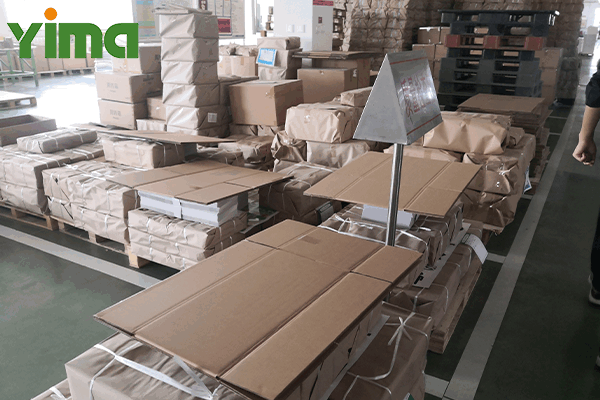
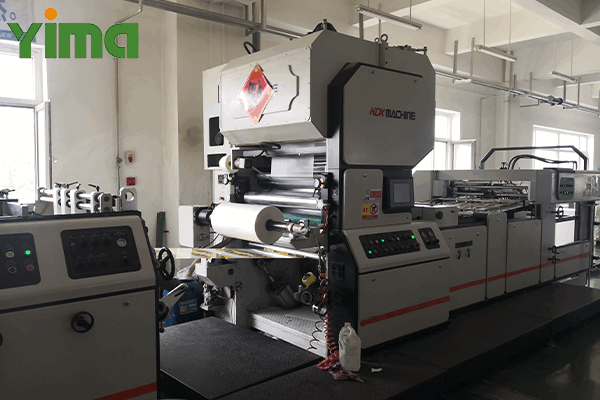
Equipos Yima


Información sobre la entrega
¿Cómo se realiza el envío?
Debemos tener en cuenta tanto el tiempo de envío como el coste para elegir el mejor medio de transporte, que sea rápido y económico.
Contamos con un sistema logístico completo, que incluye transporte aéreo, marítimo, ferroviario, por carretera, envíos urgentes, etc.
Entre nuestros principales socios se encuentran: DHL (miembro), FedEx (miembro), UPS, K&N, etc.
Tiempo de envío estimado (de puerta a puerta):
• Exprés (DAP): de 4 a 8 días laborables.
• Por vía aérea (DDP o DAP): de 10 a 12 días laborables
• Ferrocarril y camión (DDP): 30-40 días laborables
• Envío rápido (DDP): entre 24 y 28 días laborables
• Envío (DDP): entre 40 y 50 días laborables
El plazo de entrega depende del peso de la mercancía y del país o región.
