

YIMA focuses on clothing accessories.
Main products are:hang tag,Hang Tag String,Heat Transfer Label,Leather/Metal Patch,Embroidery Patch,Packing Box & Bag,Print Label,PVC/Silicone Patch,Woven Label,etc.
Apparel hang tags are essential components of clothing branding and product information. They are attached to garments and serve as a key communication tool between the brand and the customer. Here’s a breakdown of their purpose, design, and content:
Brand Identity: Hang tags reinforce brand recognition through logos, colors, and design elements.
Product Information: They provide essential details about the garment, such as size, material, and care instructions.
Marketing Tool: Hang tags can highlight unique selling points, promotions, or brand stories.
Compliance: They often include legal information, such as country of origin, safety certifications, or sustainability claims.
Enhancing Perceived Value: High-quality, well-designed hang tags can elevate the perceived value of the product.
Brand Name/Logo: The most prominent feature to establish brand identity.
Product Details:
Item name or style number
Size (e.g., S, M, L, or numerical sizing)
Color or design variation
Material and Care Instructions:
Fabric composition (e.g., “100% Cotton”)
Washing and care guidelines (e.g., “Machine wash cold”)
Price: Often included, but some brands omit this and use barcodes for pricing at checkout.
Barcode/QR Code: For inventory management and pricing at the point of sale.
Sustainability Information:
Eco-friendly materials (e.g., “Made from recycled polyester”)
Ethical production practices (e.g., “Fair Trade Certified”)
Certifications:
Organic, vegan, or cruelty-free labels
Safety standards (e.g., OEKO-TEX, GOTS)
Country of Origin: Indicates where the garment was manufactured.
Promotional Messages:
Brand story or mission statement
Seasonal offers or collaborations
Design Elements:
Colors, fonts, and graphics that align with the brand’s aesthetic
Unique shapes or die-cut designs to stand out
Consistency: Ensure the design aligns with your brand’s overall aesthetic and packaging.
Quality Materials: Use durable cardstock or textured paper to convey premium quality.
Readability: Use clear, legible fonts and organize information logically.
Visual Appeal: Incorporate eye-catching graphics, colors, or finishes (e.g., embossing, foil stamping).
Sustainability: Opt for eco-friendly materials like recycled paper or soy-based inks to appeal to environmentally conscious consumers.
Size and Shape: Choose a size and shape that complements the garment and stands out without being overwhelming.
Standard Hang Tags: Rectangular or square tags with basic product information.
Die-Cut Hang Tags: Custom shapes (e.g., circles, clothing silhouettes) for a unique look.
Folded Hang Tags: Multi-panel tags that provide more space for detailed information or branding.
Hang Tags with Strings: Attached using cotton strings, ribbons, or plastic fasteners.
Reinforced Hang Tags: Tags with reinforced holes for durability.
Strings/Ribbons: Commonly used for a classic look. Can be tied around buttons, zippers, or hangers.
Plastic Fasteners: Often used for security and durability.
Safety Pins: A simple and cost-effective method.
Adhesive Backings: Less common but used for specific applications.
Minimalist Design: Clean, simple designs with a focus on typography and negative space.
Eco-Friendly Materials: Recycled paper, seed paper (plantable tags), or biodegradable options.
Interactive Elements: QR codes that link to brand websites, care instructions, or promotional content.
Personalization: Custom tags for limited editions or personalized items.
Bold Colors and Shapes: Eye-catching designs to stand out on retail shelves.
yima equipment

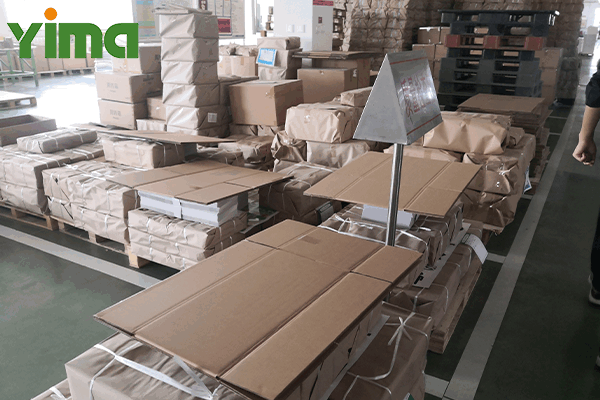
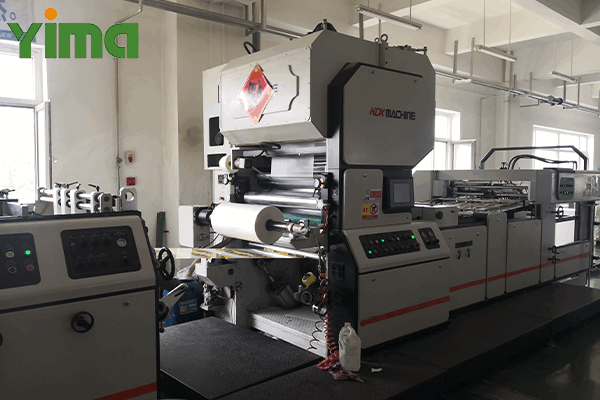

About delivery
How to shipping?
We need to consider both the shipping time and cost to select the best mode of transport, fast and economical.
We have a complete logistics supply system, including air freight, sea freight, railway, truck, express delivery, etc.
Our main partners include: DHL (Member), FedEx (Member), UPS, K&N, etc.
Shipping time reference (Door to door):
• Express (DAP): 4 – 8 working days.
• Air (DDP or DAP): 10 – 12 working days
• Railway & Truck (DDP): 30 – 40 working days
• Fast ship(DDP): 24 – 28 working days
• Ship (DDP): 40 – 50 working days
The finial time depends on the goods weight and country/region.
