Barcode hang tags consist of regularly arranged bars, spaces, and their corresponding characters. Manufacturers print these marks on tags to indicate specific product details, such as the item number, price, and production date.
Function:
Identification function: The identity of the product or product can be quickly identified through the barcode.
Tracking management: In the supply chain, barcode tags help track the flow of goods, realize inventory management and logistics optimization.
Sales support: During the sales process, barcode tags can be easily used for price inquiries, settlement and other operations.
Barcode type and encoding method – Barcode hang tags
Barcode type: Common barcode types include Code 39, Code 128, EAN/UPC, etc. Different types of barcodes differ in encoding rules, character sets and density.
Encoding method: The encoding method of the barcode determines the arrangement of bars and spaces in the barcode and the representation method of characters. Common encoding methods include width adjustment encoding method and module combination encoding method.
Design and production
Design elements: The design of the barcode tag should include elements such as the barcode area, text information area and possible brand logo. The barcode area should be clear and easy to scan; the text information area should contain necessary product information; and the brand logo helps to improve the recognition of the product.
Material: Barcode tags are made of a variety of materials, including paper, plastic, metal, etc. The selection of appropriate materials should be based on factors such as cost, durability, and environmental requirements.
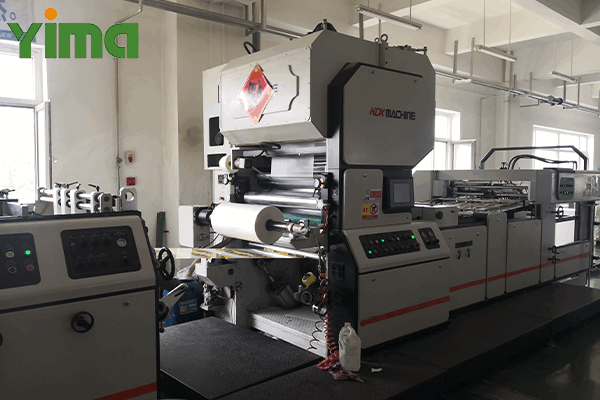
Production process: The production process of barcode tags includes printing, cutting, perforation, and other steps. During the printing process, printers must ensure the accuracy and clarity of the barcode; operators should carry out the cutting and perforation steps according to actual needs.
Application and advantages – Barcode hang tags
Application scenarios: Retail, manufacturing, and logistics companies widely use barcode tags. In retail, these tags help merchants manage inventory, adjust prices, and analyze sales data. In manufacturing, companies use barcode tags to track the movement of raw materials and parts. In logistics, the tags enable teams to sort and distribute goods rapidly.
Advantages:
Improve efficiency: Barcode hang tags can greatly speed up the identification and processing of goods and reduce labor costs.
Reduce errors: Barcode hang tags can reduce the occurrence of human errors and improve the accuracy and reliability of data.
Enhanced management: Barcode hang tags help achieve refined management of goods and improve the operational efficiency and market competitiveness of enterprises.
Notes
You should place the barcode hang tag in a conspicuous position on the product for easy scanning and identification.
When using barcode hang tags, take care to protect them from damage or contamination to maintain their readability and durability.