
YIMA focuses on clothing accessories.
Main products are:hang tag,Hang Tag String,Heat Transfer Label,Leather/Metal Patch,Embroidery Patch,Packing Box & Bag,Print Label,PVC/Silicone Patch,Woven Label,etc.
Brand labels for clothing, or clothing brand labels, serve as an important identifier for clothing products, providing consumers with information about the brand, fabric composition, size, and other details. These labels are typically attached to clothing in various forms, such as hangtags, woven labels, printed labels, or leather patches. Here is a detailed overview of clothing brand labels:
Hangtags:
These are small paper or plastic tags attached to clothing via strings or ropes.
They usually contain brand information, fabric composition, washing instructions, price, and sometimes even a barcode for scanning.
Hangtags are often designed creatively to enhance the brand image and product appeal.
Woven Labels:
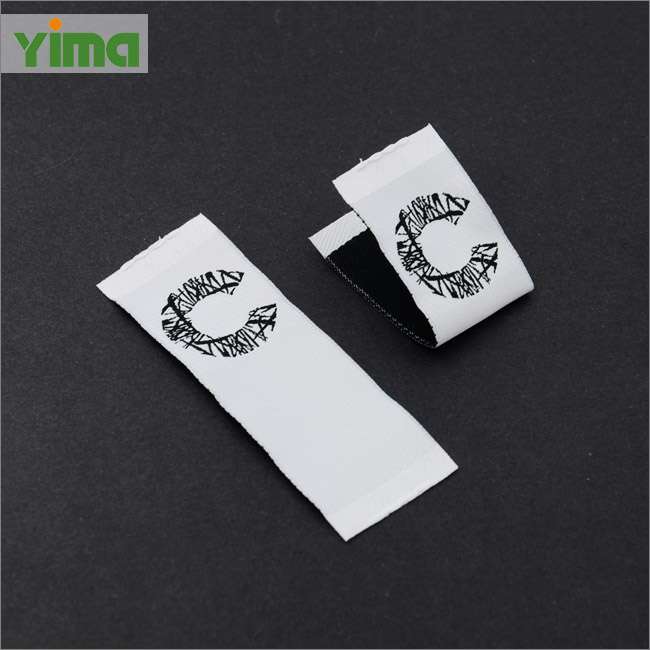
Made of woven fabric, these labels are usually sewn onto the inside seam or collar of clothing.
They often include the brand logo, name, and sometimes size or fabric information.
Woven labels are durable and can withstand repeated washing and wear.
Printed Labels:
These are labels printed directly onto the fabric of the clothing.
They can include text and images, providing information about the brand, fabric, and care instructions.
Printed labels are cost-effective and can be easily customized with different designs and colors.
Leather Patches:
Made of leather or leather-like material, these patches are often used as brand logos on high-end clothing.
They provide a luxurious and durable finish, adding to the overall appeal of the product.
Brand Identification:
Brand labels help consumers easily identify the brand of the clothing they are purchasing.
They serve as a form of advertising, promoting brand awareness and loyalty.
Information Provision:
Labels provide important information about the fabric composition, care instructions, and size of the clothing.
This information is crucial for consumers to make informed purchasing decisions and ensure proper care of their garments.
Quality Assurance:
Brand labels often signify a certain level of quality and craftsmanship.
Consumers tend to trust brands with reputable labels and are more likely to purchase their products.
Logo Design:
The logo is a key element of any brand label.
It should be designed professionally to reflect the brand’s identity, values, and target audience.
Material Choice:
The choice of material for the label depends on the overall aesthetic of the clothing and the brand’s positioning.
High-end brands may opt for leather or woven fabric, while more affordable brands may use printed labels.
Color and Typography:
The color and typography of the label should be consistent with the brand’s overall design language.
This helps to create a cohesive and recognizable brand image.
Customization Options:
Many clothing brands offer customization options for their labels, including personalized text, images, and sizes.
This allows brands to tailor their labels to meet the specific needs of their target audience.
In summary, clothing brand labels are an essential component of any clothing product. They provide important information to consumers, help promote brand awareness and loyalty, and can significantly impact the overall perception of the product. By carefully designing and choosing the right type of label for their clothing, brands can effectively communicate their identity and values to their target audience.
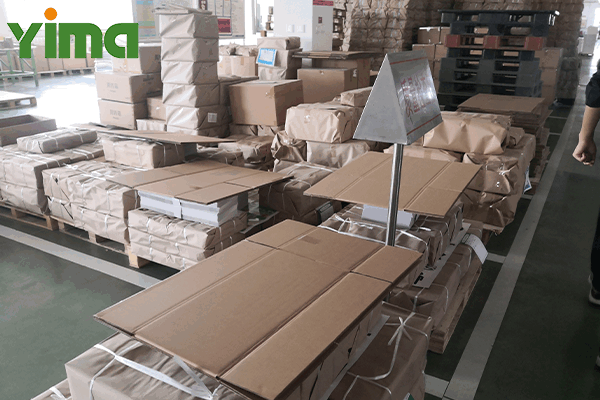
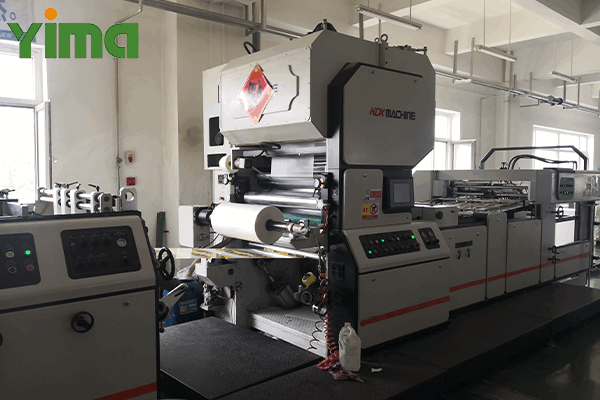
yima equipment


About delivery
How to shipping?
We need to consider both the shipping time and cost to select the best mode of transport, fast and economical.
We have a complete logistics supply system, including air freight, sea freight, railway, truck, express delivery, etc.
Our main partners include: DHL (Member), FedEx (Member), UPS, K&N, etc.
Shipping time reference (Door to door):
• Express (DAP): 4 – 8 working days.
• Air (DDP or DAP): 10 – 12 working days
• Railway & Truck (DDP): 30 – 40 working days
• Fast ship(DDP): 24 – 28 working days
• Ship (DDP): 40 – 50 working days
The finial time depends on the goods weight and country/region.
