
YIMA focuses on clothing accessories.
Main products are:hang tag,Hang Tag String,Heat Transfer Label,Leather/Metal Patch,Embroidery Patch,Packing Box & Bag,Print Label,PVC/Silicone Patch,Woven Label,etc.
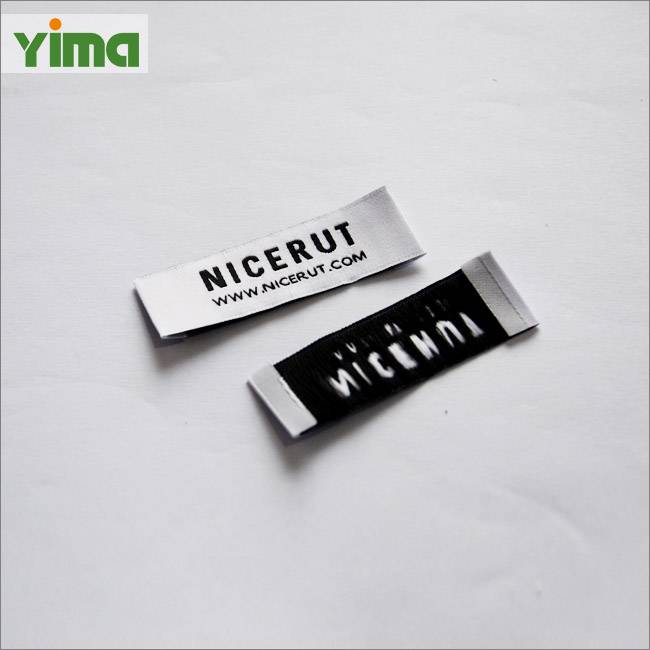
Clothing tag are labels hung on clothing. They usually contain information such as the factory name and address, product name, specifications, material composition, washing precautions, etc. Although the tag is small, it is a link between fashion itself and consumers. It has multiple functions such as anti-counterfeiting, brand image display, price marking, washing label provision, various certification information display, and after-sales maintenance card provision.
The content on clothing hang usually includes the following aspects:
Product name: the name of the purchased clothing. Manufacturers usually write the classification words of clothes and pants in this section.
Item number: The alphanumeric number of the manufacturer producing this clothing. Some manufacturers will use the year of production at the beginning, which can effectively distinguish whether this clothing is a new product or a previous year’s style.
Specifications: The size of the purchased clothing, such as S, M, L, XL, etc., but the more standard marking method should use the size mark, such as “165/88A”, which indicates height, chest circumference and body shape respectively.
Material: The composition of the main fabric and lining, such as cotton, wool, synthetic fiber, etc., is especially important for consumers who are sensitive to specific materials. Lining is the lining of clothing (lining cloth), which is used to partially or completely cover the inside of clothing.
Safety category: According to GB18401-2010 standard, it is generally divided into three categories: A, B, and C. Category A is suitable for infants under 2 years old, Category B can directly contact the skin, and Category C cannot directly contact the skin.
Implementation standard: Mainly test the physical property index contained in clothing to ensure that no harmful chemicals exceed the standard when in contact with human skin.
Grade: Product quality grades are divided into superior, first-class, second-class, and qualified products. The higher the grade, the better the quality of the clothing.
Washing instructions: Provide important information on how to properly wash and maintain clothing to help extend the service life of clothing. Washing symbols usually include water washing symbols, chlorine bleaching symbols, drying symbols, ironing symbols, professional maintenance symbols, etc.
Design elements:
Creativity and beauty: The Clothing tag design must be attractive and unique, and the color matching, pattern design and overall style should be consistent with the brand image and product characteristics.
Information communication: The Clothing hangtag should clearly display key information to facilitate consumers to understand and use.
Size and shape: The size and shape of the clothing hangtag should be selected according to the type and style of clothing. It should be convenient to hang and coordinated with the overall style of the clothing.
Material selection:
The materials used to make hangtags are mostly paper, but there are also plastic, metal, and holographic anti-counterfeiting materials. Hangtags of different materials have different characteristics and uses, such as paper hangtags are low-cost and easy to print; plastic hangtags are waterproof and wear-resistant; metal hangtags are high-end and durable.
In addition to the basic identification function, clothing hangtag can also play some creative uses, such as:
DIY decorations: turn hangtags into part of home decoration, such as splicing into murals or stringing into creative hanging ornaments.
Children’s handicraft materials: Use hangtags to make handicrafts such as cards and dolls to cultivate children’s creativity and hands-on ability.
Small labels: Use hangtag as labels for food containers in the kitchen and storage room, write the name of the food and the storage date.
Bookmarks: Decorate hangtag into personalized bookmarks for easy marking when reading.
Plant labels: Use hangtag to mark different plants and planting times for easy management by gardening enthusiasts.
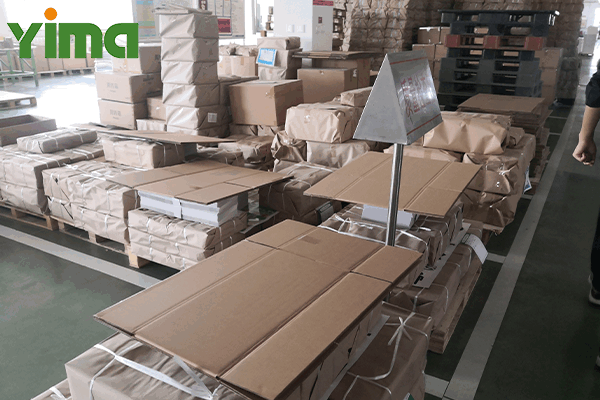
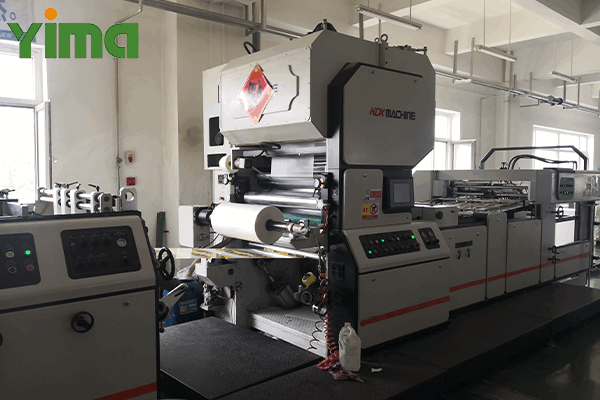
yima equipment


About delivery
How to shipping?
We need to consider both the shipping time and cost to select the best mode of transport, fast and economical.
We have a complete logistics supply system, including air freight, sea freight, railway, truck, express delivery, etc.
Our main partners include: DHL (Member), FedEx (Member), UPS, K&N, etc.
Shipping time reference (Door to door):
• Express (DAP): 4 – 8 working days.
• Air (DDP or DAP): 10 – 12 working days
• Railway & Truck (DDP): 30 – 40 working days
• Fast ship(DDP): 24 – 28 working days
• Ship (DDP): 40 – 50 working days
The finial time depends on the goods weight and country/region.
