
YIMA focuses on clothing accessories.
Main products are:hang tag,Hang Tag String,Heat Transfer Label,Leather/Metal Patch,Embroidery Patch,Packing Box & Bag,Print Label,PVC/Silicone Patch,Woven Label,etc.
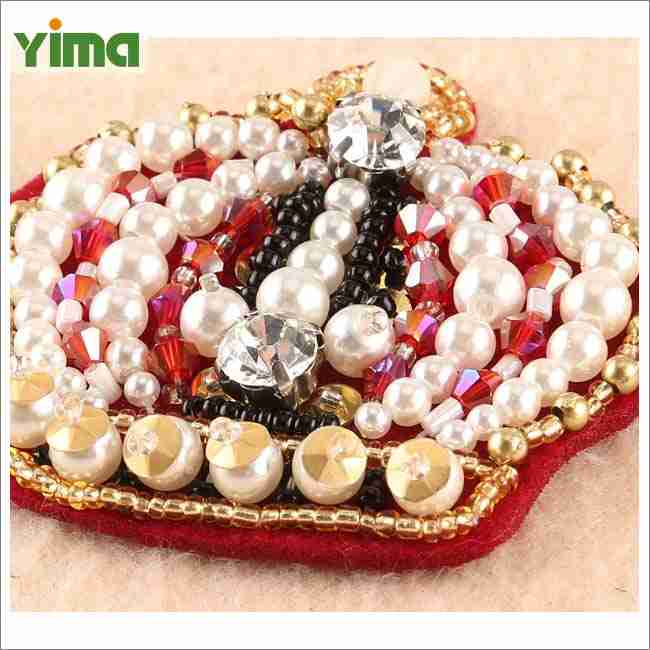
Custom made embroidered patches, that is, custom embroidered badges or patches, are embroidered decorations that are personalized and made according to customer needs. The following is a detailed introduction to it:
Personalized customization: Manufacturers design and produce custom embroidered badges according to each customer’s specific requirements—including pattern, color, size, and shape—to meet their exact preferences.
Exquisite craftsmanship: The embroidery process makes the badges have fine patterns and lines, bright colors and rich layers, showing a unique artistic beauty.
Wide application: Users can apply custom embroidered badges across multiple fields, such as clothing, accessories, home decor, and promotional materials, adding unique brand logos or promotional elements to items.
Fabrics: Common fabrics include polyester, cotton, linen, nylon, etc. These fabrics have different textures and durability, and can be selected according to specific needs.
Embroidery thread: The choice of embroidery thread is also diverse, including cotton thread, polyester thread, metal thread, etc. Different embroidery threads can present different gloss and texture.
Backing material: Manufacturers use backing material to fix embroidered badges in place. Select from options like hot melt adhesive, self-adhesive backing, or sew-on backing based on your application scenario and specific needs.
Design: Design patterns and texts according to customer needs to ensure the exquisiteness and uniqueness of the design patterns. During the design process, you can communicate and modify with customers many times until you meet customer needs.
Plate making: Convert the design pattern into an embroidery plate so that it can be embroidered on an embroidery machine. During the plate making process, you need to pay attention to factors such as the lines, colors and layering of the pattern.
Embroidery: Use an embroidery machine or hand to embroider the pattern and text on the fabric. During the embroidery process, you need to control the tension, density and speed of the embroidery thread to ensure the quality of the embroidery.
Trimming and finishing: After completing the embroidery, operators trim and finish the edges to ensure a neat, beautiful badge. At the same time, you also need to check the embroidery quality to ensure that there are no problems such as missing stitches and broken threads.
Clothing: You can apply customized embroidered badges to various clothing items, such as T-shirts, jackets, and hats, adding unique brand logos or personality elements to any garment.
Accessories: Designers can also use embroidered badges as decorative elements on accessories, such as keychains, phone straps, and bags, adding unique charm and personality to every item.
Home Decoration: Homeowners can apply customized embroidered badges to home decor items, such as pillows, curtains, and carpets, introducing a warm, personalized atmosphere to any living space.
Promotional Materials: Companies can use embroidered badges as promotional materials—featuring company logos or event branding—to promote brands and activities effectively.
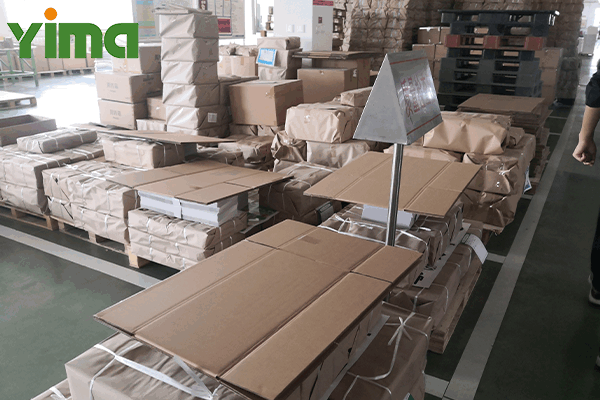
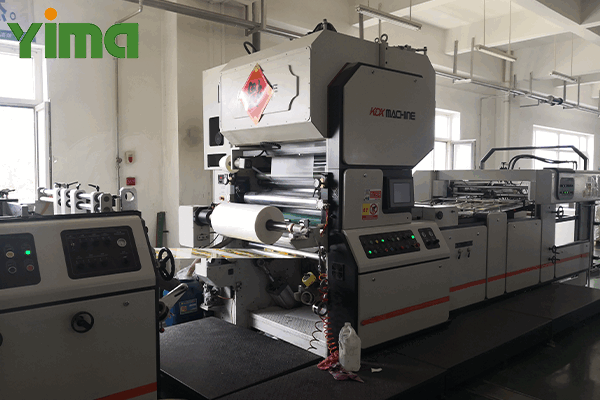
yima equipment


About delivery
How to shipping?
We need to consider both the shipping time and cost to select the best mode of transport, fast and economical.
We have a complete logistics supply system, including air freight, sea freight, railway, truck, express delivery, etc.
Our main partners include: DHL (Member), FedEx (Member), UPS, K&N, etc.
Shipping time reference (Door to door):
• Express (DAP): 4 – 8 working days.
• Air (DDP or DAP): 10 – 12 working days
• Railway & Truck (DDP): 30 – 40 working days
• Fast ship(DDP): 24 – 28 working days
• Ship (DDP): 40 – 50 working days
The finial time depends on the goods weight and country/region.
