
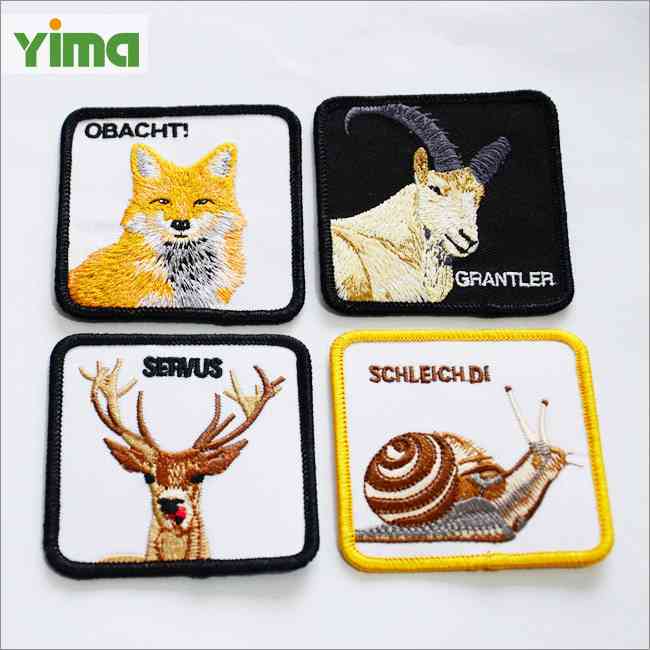
YIMA focuses on clothing accessories.
Main products are:hang tag,Hang Tag String,Heat Transfer Label,Leather/Metal Patch,Embroidery Patch,Packing Box & Bag,Print Label,PVC/Silicone Patch,Woven Label,etc.
Custom made fabric labels, that is, customized fabric labels, are important elements used in industries such as clothing and home textiles to identify information such as brands, sizes, washing instructions, etc. The following is a detailed introduction to customized fabric labels:
Customers customize and order custom made fabric labels according to their specific needs, including size, shape, color, material, and printed content. They usually have the following characteristics:
Personalization: Manufacturers customize labels according to the customer’s brand concept and design style, creating a seamless match between the label and the product.
High quality: We use advanced production technology and high-quality materials to ensure the label remains durable and visually appealing.
Multi-function: Beyond identifying brand information, the label contains practical details like washing instructions and size.
The materials and processes of customized fabric labels are varied to meet the needs of different customers. Common materials include cotton, polyester, nylon, etc., which have different characteristics and uses. For example, cotton labels are soft and comfortable, suitable for infant and toddler clothing; polyester labels are wear-resistant and washable, suitable for outdoor clothing.
Manufacturers produce customized fabric labels using a variety of processes, such as printing, embroidery, and woven techniques. Printed labels offer low costs and short production cycles, making them ideal for mass production. Embroidered and woven labels provide greater three-dimensionality and texture, fitting high-end products or brand logos.
Companies use customized fabric labels across many industries, including clothing, home textiles, bags, and shoes.
Clothing: Manufacturers usually sew labels into prominent places like collars, cuffs, or waistlines to display practical details such as brand information and size.
Home Textiles: Producers apply customized fabric labels to identify products like bedding and curtains.
Customization process:
Demand communication: Communicate with customers about the needs and clarify the requirements for the size, shape, color, material, printing content and other requirements of the label.
Design proofing: Design according to customer needs and make samples for customer confirmation. Customers can make modifications to the samples until they are satisfied.
Mass production: Once the customer confirms the sample, the factory begins mass production. Teams must maintain strict quality control throughout the production process to ensure that the finished product meets customer needs.
Quality inspection and packaging: Quality inspection of the finished product to ensure that the quality is qualified before packaging and shipment. The packaging method can be customized according to customer requirements.
Notes:
YIMA will select the appropriate label material according to the characteristics and use of the product. For example, for products that need to be washed frequently, wear-resistant and washable materials should be selected.
During the production and quality inspection process, YIMA will strictly control the quality to ensure that the finished product meets the size, shape, color and other standards required by the customer.
Customized fabric labels have the following advantages:
Enhance brand image: By customizing unique fabric labels, you can show the uniqueness and personality of the brand and enhance consumers’ recognition and memory of the brand.
Increase product added value: Exquisite customized fabric labels can enhance the overall quality and grade of the product and increase the added value of the product.
Easy to manage: Adding information such as size and washing instructions on the label can help merchants better manage inventory and provide after-sales service.
yima equipment

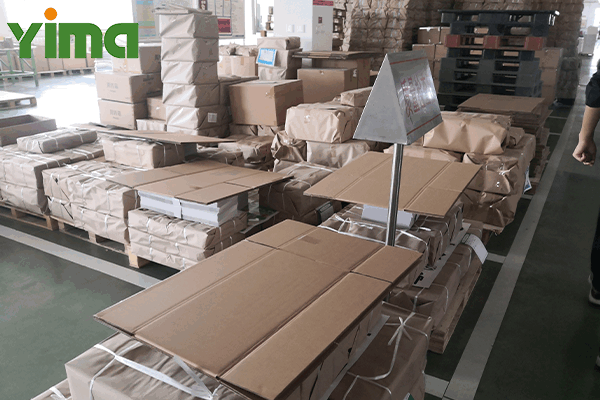
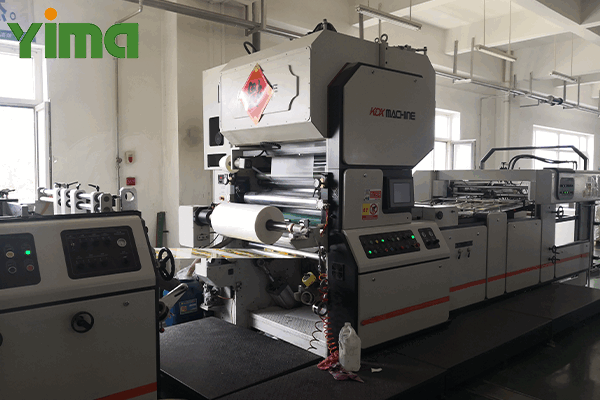

About delivery
How to shipping?
We need to consider both the shipping time and cost to select the best mode of transport, fast and economical.
We have a complete logistics supply system, including air freight, sea freight, railway, truck, express delivery, etc.
Our main partners include: DHL (Member), FedEx (Member), UPS, K&N, etc.
Shipping time reference (Door to door):
• Express (DAP): 4 – 8 working days.
• Air (DDP or DAP): 10 – 12 working days
• Railway & Truck (DDP): 30 – 40 working days
• Fast ship(DDP): 24 – 28 working days
• Ship (DDP): 40 – 50 working days
The finial time depends on the goods weight and country/region.
