

YIMA focuses on clothing accessories.
Main products are:hang tag,Hang Tag String,Heat Transfer Label,Leather/Metal Patch,Embroidery Patch,Packing Box & Bag,Print Label,PVC/Silicone Patch,Woven Label,etc.
Custom metal labels, also known as anti-metal electronic labels or metal-attached labels, are special tags encapsulated using materials and electronic tags that are specifically designed to prevent metal and electromagnetic interference. Below is a detailed introduction to metal labels:
Anti-Metal Interference: Unlike non-anti-metal electronic labels, which cannot be read by an electronic tag reader when in contact with metal, metal labels are specifically designed to prevent such interference.
Frequency Bands: Metal labels can be classified into low-frequency, mid-frequency and high-frequency, ultra-high-frequency, and microwave electronic labels based on their frequency bands.
Applications: Metal labels are widely used in various fields, including logistics, inventory management, and asset tracking, especially in environments where metal objects are present.
Forms: Depending on the specific application characteristics and usage environments, metal labels can adopt different encapsulation forms, such as card-type, tag-type, and irregular shapes. Encapsulation forms can also be customized according to customer requirements.
Materials: Metal labels are typically made from materials that can resist metal interference, such as special plastics or composite materials. The electronic components within the labels are also designed to withstand interference.
Processes: The production of metal labels involves encapsulating electronic tags with special materials and ensuring their ability to resist metal interference. This may include processes such as molding, encapsulation, and testing.
Metal labels can be categorized based on their production technologies and uses:
Metal Lithographic Labels: These are produced using photolithographic techniques. They are commonly used indoors or on devices that are not exposed to harsh weather conditions due to their susceptibility to fading when exposed to sunlight and rain.
Metal Silkscreen Labels: These involve printing ink on a pretreated metal surface through a silkscreen and then applying protective and coating processes to create colorful and exquisite metal labels. They are widely used in the electronics industry and household appliances.
Corrosion Metal Labels: These are produced through chemical corrosion processes, creating a sense of thickness and a vintage style on the metal surface. They are often used for signboards in universities and institutions, as well as places that emphasize historical significance and cultural heritage.
Metal Plating and Electroforming Labels: These involve electroplating or electroforming processes to create raised text and patterns on the metal surface. They are durable, wear-resistant, fade-resistant, and have a luxurious appearance, making them suitable for high-end brand labeling.
Durability: Metal labels are typically more durable and resistant to wear and tear compared to other types of labels.
Visibility: They are often more visible and easier to read, especially in environments where visibility is critical.
Customizability: Metal label can be customized in various shapes, sizes, and colors to meet specific branding and identification needs.
YIMA – custom metal labels
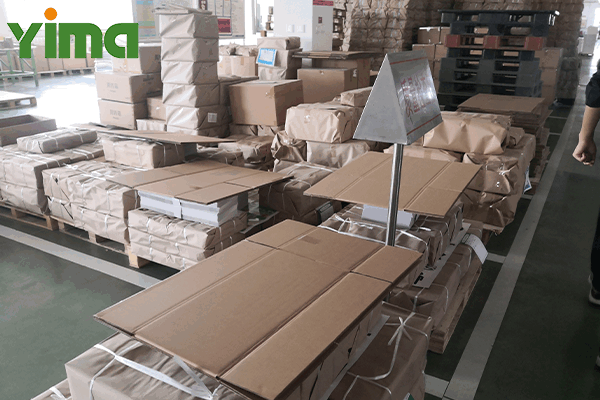
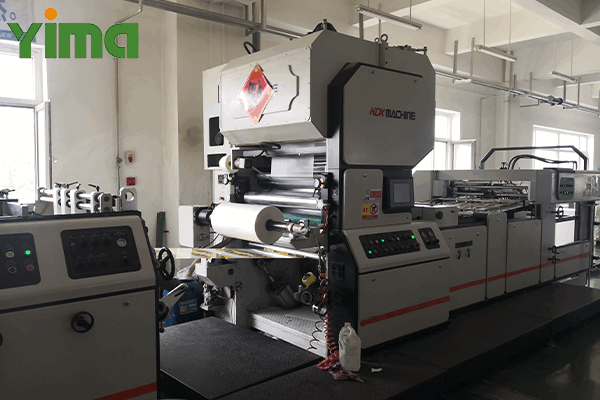
yima equipment


About delivery
How to shipping?
We need to consider both the shipping time and cost to select the best mode of transport, fast and economical.
We have a complete logistics supply system, including air freight, sea freight, railway, truck, express delivery, etc.
Our main partners include: DHL (Member), FedEx (Member), UPS, K&N, etc.
Shipping time reference (Door to door):
• Express (DAP): 4 – 8 working days.
• Air (DDP or DAP): 10 – 12 working days
• Railway & Truck (DDP): 30 – 40 working days
• Fast ship(DDP): 24 – 28 working days
• Ship (DDP): 40 – 50 working days
The finial time depends on the goods weight and country/region.
