

YIMA focuses on clothing accessories.
Main products are:hang tag,Hang Tag String,Heat Transfer Label,Leather/Metal Patch,Embroidery Patch,Packing Box & Bag,Print Label,PVC/Silicone Patch,Woven Label,etc.
1. Weaving process principle
Warp and weft yarn interweaving: The designed pattern (made of yarns of different colors) is woven into the label fabric through a jacquard loom. The pattern is part of the fabric structure, not printed or sewn on later.
Two main processes:
Weaving (Jacquard Weaving): Suitable for making delicate lines, small fonts and complex patterns, with high precision (such as 0.5mm thin lines can also be clearly presented).
Knitting (Knitting): Less used for labels, more suitable for the logo of elastic fabrics, but the three-dimensional sense is weaker.
2. Material and texture
Yarn selection:
Polyester (Polyester): Most commonly used, wear-resistant, high color fastness, low cost, rich colors (can be customized with Pantone color cards).
Cotton (Cotton): Natural texture, soft and skin-friendly, suitable for infant clothing or high-end organic brands.
Blended (such as cotton + polyester): Take into account both softness and durability.
Special yarn: gold and silver thread, reflective yarn, luminous yarn (to enhance high-end or functional feeling).
Texture of base fabric:
Smooth satin: strong gloss, suitable for high-end brands.
Matte flat surface: low-key and versatile, suitable for daily wear.
Jacquard texture: different weaving methods form a concave and convex texture (such as diamond grid, cloth texture).
3. Durability and applicability
Washability: the pattern is embedded in the fabric and does not fall off or fade after washing (better than printed labels).
Applicable scenarios:
Main label: sewn on the collar and cuffs to display the brand logo and name (such as the woven label collar label of luxury brands).
Care label: mark the washing instructions, ingredients, etc., and need to withstand multiple washes.
Decorative label: sewn on the pocket of the coat, the back pocket of jeans, etc., as a design element (such as the retro woven label pattern).
1. Clothing brands
High-end fashion: Luxury brands use pure cotton or silk woven labels, with gold and silver thread woven logos, sewn on the lining of suits or the collar of windbreakers to reflect the texture (such as Chanel’s double C woven label).
Fast fashion brands: Polyester woven labels indicate size and washing instructions, and the cost of mass production is low (such as ZARA’s washing label).
Environmental brands: Use organic cotton woven labels, weave the words “100% Organic Cotton” and the environmental protection logo, which is in line with the brand concept.
2. Luggage and accessories
The main woven label is sewn on the inside of the backpack, and the decorative woven label pattern is sewn on the outside (such as the brand badge of the mountaineering bag).
Small woven label labels on the edges of belts and scarves enhance recognition (such as the “H” woven label on the Hermès belt).
3. Home textiles
Woven labels with initials on the corners of bed sheets and towels (such as the “XX Hotel” label on hotel custom bath towels).
Decorative woven labels on the edges of sofa cushions to match the home style (such as Nordic geometric woven labels).
4. Personalized customization
Wedding gifts: Weave the names of the newlyweds and the wedding date on a cotton and linen bag as a souvenir.
Team uniforms: Woven labels on the collars of sportswear with the names or numbers of team members, replacing traditional printing (more washable).custom woven clothing tags
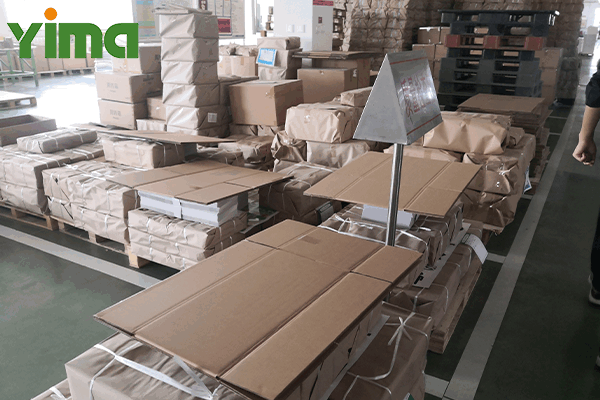
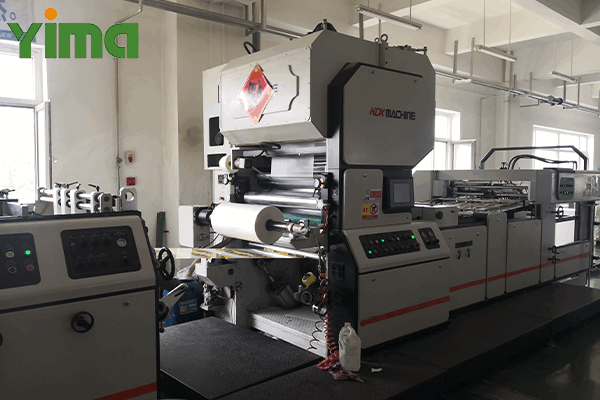
yima equipment


About delivery
How to shipping?
We need to consider both the shipping time and cost to select the best mode of transport, fast and economical.
We have a complete logistics supply system, including air freight, sea freight, railway, truck, express delivery, etc.
Our main partners include: DHL (Member), FedEx (Member), UPS, K&N, etc.
Shipping time reference (Door to door):
• Express (DAP): 4 – 8 working days.
• Air (DDP or DAP): 10 – 12 working days
• Railway & Truck (DDP): 30 – 40 working days
• Fast ship(DDP): 24 – 28 working days
• Ship (DDP): 40 – 50 working days
The finial time depends on the goods weight and country/region.
