

YIMA focuses on clothing accessories.
Main products are:hang tag,Hang Tag String,Heat Transfer Label,Leather/Metal Patch,Embroidery Patch,Packing Box & Bag,Print Label,PVC/Silicone Patch,Woven Label,etc.
Creating custom woven garment labels are a great way to add a professional and personalized touch to your clothing line, handmade garments, or brand.
Durability: Woven from high-quality yarn, such as the common 100% polyester, these labels are abrasion-resistant, washable, and heat-resistant. They resist fading below 160°C and withstand repeated wear and washing without damage, fading, cracking, or peeling.
Aesthetics: They accurately display your brand’s logo, name, pattern, or personalized message. Through varying yarn colors, weaving techniques, and font designs, they create a unique texture and style, adding sophistication and brand recognition to any garment.
Softness: The materials and weaving methods used make these labels soft and non-irritating, ensuring a comfortable fit even when in direct contact with the skin, making them particularly suitable for next-to-skin wear.
Versatility: These labels are highly customizable in terms of size, shape, color, material, and weaving technique. We can create unique labels based on the needs and design concepts of clothing brands, catering to diverse styles and product positioning.
Trimmed-edge woven labels: Woven using a West German loom, these labels are woven from a single piece, like cloth, and then cut into strips according to width. Due to the heat-melting properties of polyester, the yarns adhere to each other when cut, preventing unraveling. They can be divided into two categories: flat labels and satin labels.
Trimmed-edge woven labels
Flat labels: These labels have a simple warp and weft weft structure, similar to cloth. The warp yarn is typically fixed black or white, with black and white flat yarns. The weft yarns primarily express the pattern and color, generally allowing for up to eight colors. To enhance detail and color, double-sided labels and heavy-hook labels are available.
Flat labels
Satin labels: Satin labels are created by doubling the warp yarns, resulting in a soft and smooth satin texture. However, the weft yarns cannot express the pattern well, and the base color flexibility is limited.
Weft labels (hooked and loomed): Compared to trimmed-edge woven labels, weft labels offer a neater, more secure edge and require no additional trimming. While relatively slow to produce and costly, they offer a unique texture and craftsmanship, making them commonly used in high-end apparel or products requiring high quality.
Polyester woven labels: They offer advantages such as high strength, elasticity, abrasion resistance, and chemical resistance. They also feature vibrant colors and are durable, making them the most common woven label material and suitable for a wide range of clothing.
Cotton woven labels: They are soft and skin-friendly, creating a natural and comfortable feel. They are often used in casual wear, children’s clothing, and other clothing requiring high comfort. However, they are less abrasion-resistant and washable than polyester woven labels.
Silk woven labels: They are smooth, soft, and have a good sheen, adding a touch of luxury and elegance to clothing. They are often used in high-end women’s clothing and formal wear. However, they are more expensive and require more care during washing and maintenance.
Blended labels: Blended yarns are woven together to combine the advantages of each material, meeting the demands for texture and comfort while also ensuring durability and cost-effectiveness.
Brand Marking: Used to display a clothing brand’s logo, name, and brand image, it is a crucial element of brand identification, helping consumers quickly identify and remember the brand among numerous products.
Product Information Labeling: This can include important information such as clothing size, material composition, washing instructions, and origin, providing consumers with clear product guidance and facilitating proper use and care of clothing.
Embroidery: As decorative elements on clothing, unique designs and weaving techniques add detail and highlights to garments, enhancing their overall aesthetics and fashion sense, making them more appealing.
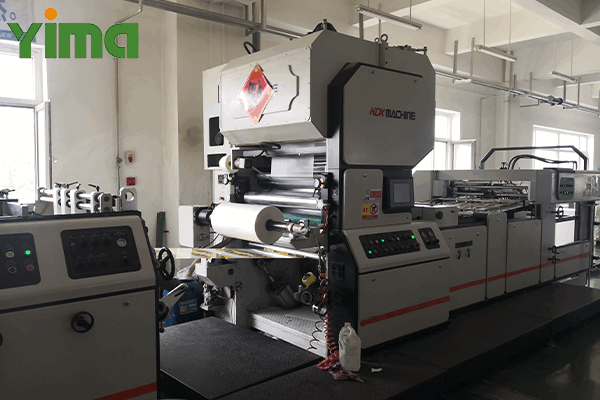
yima equipment

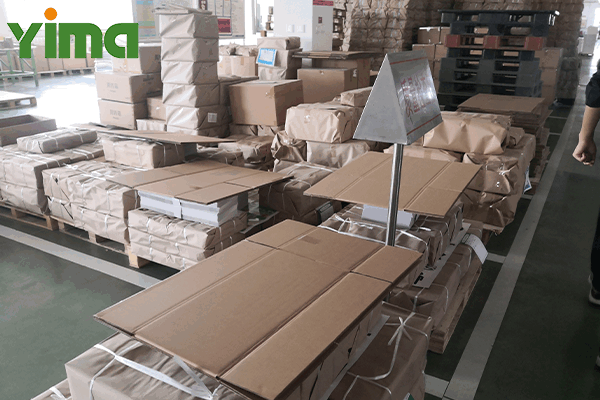

About delivery
How to shipping?
We need to consider both the shipping time and cost to select the best mode of transport, fast and economical.
We have a complete logistics supply system, including air freight, sea freight, railway, truck, express delivery, etc.
Our main partners include: DHL (Member), FedEx (Member), UPS, K&N, etc.
Shipping time reference (Door to door):
• Express (DAP): 4 – 8 working days.
• Air (DDP or DAP): 10 – 12 working days
• Railway & Truck (DDP): 30 – 40 working days
• Fast ship(DDP): 24 – 28 working days
• Ship (DDP): 40 – 50 working days
The finial time depends on the goods weight and country/region.
