

YIMA focuses on clothing accessories.
Main products are:hang tag,Hang Tag String,Heat Transfer Label,Leather/Metal Patch,Embroidery Patch,Packing Box & Bag,Print Label,PVC/Silicone Patch,Woven Label,etc.
Garment tags and labels are small pieces of material or paper attached to garments that provide various types of information to consumers. Below is a detailed explanation of clothing tags and labels:
Hang Tags:
Sewn-in Labels:
Care Labels:
Brand Labels:
In many countries, there are regulations regarding the information that must be included on garment tags and labels. These regulations ensure that consumers have access to accurate and necessary information about the products they purchase. For example, in the European Union, the Textile Labelling and Fibre Composition Regulation (EU) No 1007/2011 requires that textile products be labelled with information on their fiber content, country of origin, and any non-textile parts of animal origin.
garment tags and labels can be made from various materials, including paper, plastic, fabric, and metal. The choice of material depends on the desired durability, aesthetics, and cost. Manufacturing processes may involve printing, embossing, stitching, or other techniques to apply the information onto the tag or label.
With the increasing demand for sustainability and eco-friendly products, many brands are now using recycled materials, biodegradable materials, or minimizing the use of tags and labels to reduce environmental impact. Additionally, the use of technology such as RFID chips in clothing tags is becoming more common, allowing for detailed information to be stored and retrieved digitally.
In summary, clothing tags and labels play a crucial role in providing consumers with essential information about their garments. By understanding the different types of tags and labels and the information they contain, consumers can make more informed purchasing decisions and properly care for their clothing.
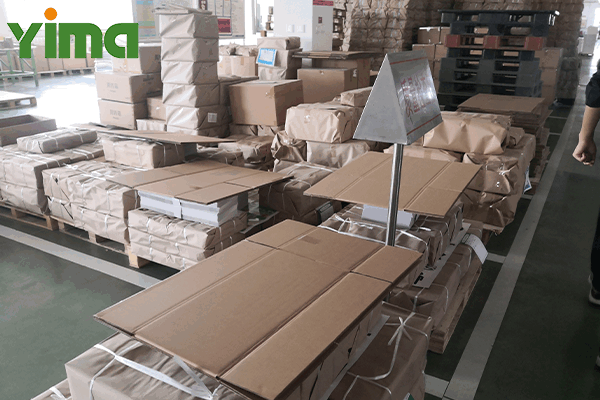
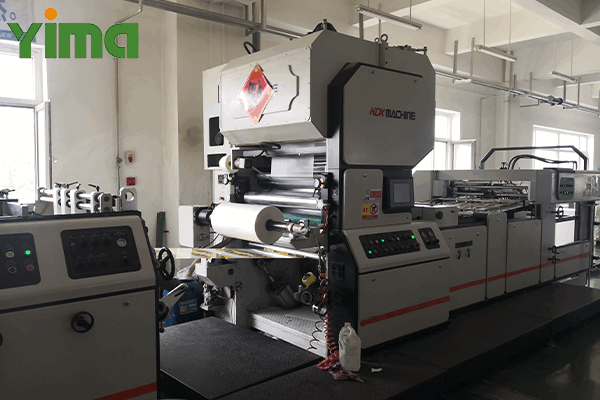
yima equipment


About delivery
How to shipping?
We need to consider both the shipping time and cost to select the best mode of transport, fast and economical.
We have a complete logistics supply system, including air freight, sea freight, railway, truck, express delivery, etc.
Our main partners include: DHL (Member), FedEx (Member), UPS, K&N, etc.
Shipping time reference (Door to door):
• Express (DAP): 4 – 8 working days.
• Air (DDP or DAP): 10 – 12 working days
• Railway & Truck (DDP): 30 – 40 working days
• Fast ship(DDP): 24 – 28 working days
• Ship (DDP): 40 – 50 working days
The finial time depends on the goods weight and country/region.
