
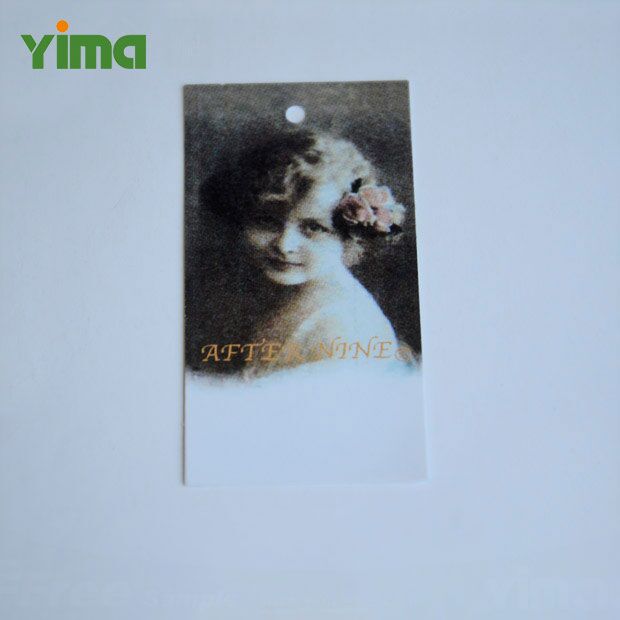
Material: Manufacturers produce hangtags from a variety of materials, including paper, plastic, metal, and cloth. Companies favor paper hangtags above most other materials because paper offers low costs, easy printing, and recyclability. Outdoor products and sports equipment frequently feature plastic hangtags for their durability and waterproof performance. Luxury goods and high-end brands often choose metal hangtags for their premium feel and longevity, while fabric hangtags hold a unique position in the clothing industry thanks to their softness and natural compatibility with garments.
Craftsmanship: The production processes of hangtags mainly include printing, die-casting, stamping or embroidery. Printing technology suits paper and plastic hangtags by displaying rich colors and patterns. Die-casting and stamping processes work ideal for metal hangtags, creating exquisite three-dimensional effects. Manufacturers often apply embroidery technology to fabric hangtags, adding a unique sense of craftsmanship to wholesale hangtags.
Clothing industry: hangtags are an indispensable part of the clothing industry. They are usually hung on the collar, cuffs or hem of clothing to provide consumers with key information about the material, size, washing instructions and other key information of the clothing. In addition, hangtags often carry brand logos and slogans, becoming an important symbol of brand recognition.
Shoes and accessories industry: For shoes, manufacturers usually hang tags on the heels or shoelaces to provide consumers with details about shoe size, materials, and care instructions. For accessories such as hats and scarves, brands usually place hangtags in a conspicuous spot so consumers can quickly learn about the brand, material, and price.
Gift and packaging industry: People usually use hangtags as gift labels, printing them with the giver’s name, warm wishes, and the gift title. In the packaging industry, companies often use hangtags to identify packaging boxes, helping staff quickly identify the contents inside and boosting overall packaging and logistics efficiency.


