

YIMA focuses on clothing accessories.
Main products are:hang tag,Hang Tag String,Heat Transfer Label,Leather/Metal Patch,Embroidery Patch,Packing Box & Bag,Print Label,PVC/Silicone Patch,Woven Label,etc.
There are many types of cloth labels, which can be divided into many types according to the materials, functions, sewing methods and manufacturing processes. Common types of cloth labels include:
Metal labels and accessories used for clothing, hats or bags, which can be engraved with brand logos. Common ones include aluminum labels, stainless steel labels, silver labels, copper labels, brass labels, zinc alloy labels, etc.
Labels with leather materials, suitable for clothing jackets, jeans, hats, bags, etc.
Leather label of clothes can be types such as artificial (PU), genuine leather or suede (microfiber), and can be personalized by printing, embossing or gold/silver hot stamping.
Made of soft PVC rubber material, special labels and patches designed for clothing, jackets, bags, hats, canvas and outdoor products. PVC labels and silicone labels are rubber labels and can be used by sewing, Velcro, self-adhesive, soft magnetic backing, etc.
Made of cloth material, durable and soft, very suitable for T-shirts, jackets, shirts, pants, children’s clothing, etc. Materials include satin, nylon, taffeta, polyester, tape, silk ribbon, non-woven fabrics, cotton, etc.
also known as transparent clothing label tags, is a soft and thin label on a rubber-like material with a logo printed on it. The main material is TPU (thermoplastic polyurethane) material, which is more environmentally friendly than silicone and PVC. It presents a bright, transparent or translucent effect and is suitable for clothing such as swimsuits and underwear.
In addition, there are many types such as heat transfer labels, hot stamping labels, sewn labels, woven labels, printed labels, embroidered labels, high-frequency labels, etc.
Clothing label tags usually contain the following important information:
Brand information: including brand name, brand logo, etc., used to display brand image and distinguish products from different brands.
Fabric composition: Indicates the fabric composition used in clothing, such as cotton, wool, silk, linen, polyester, nylon, etc. This helps consumers understand the material and performance of clothing.
Washing instructions: Provide the correct washing method, including washing temperature, detergent type, washing method (such as hand washing, machine washing, dry cleaning, etc.) and precautions for drying and ironing. These instructions are essential to protect clothing and extend its life.
Size information: Provide clothing size information, such as height, chest circumference, waist circumference, etc., as well as body type classification (such as Y, A, B, C, etc.) to help consumers choose the right size.
Safety category: According to the purpose of clothing and the degree of contact with the skin, clothing is divided into Category A (infant and toddler products), Category B (products that directly contact the skin) and Category C (products that do not directly contact the skin). This helps consumers understand the safety performance of clothing.
Implementation standards: Indicate the national or industry standards followed by clothing, such as national standard GB/T, industry standard FZ/T, etc. This helps consumers understand the production quality and compliance of clothing.
Other information: It may also include the place of production, production date, quality grade, inspection certificate, etc.
The role of labels
Cloth labels play an important role in clothing. They provide various key information about clothing to help consumers make wise purchasing decisions. At the same time, labels are also an important means of brand promotion and quality control. Through labels, brands can show consumers the characteristics and advantages of their products and enhance consumers’ trust and loyalty to the brand. In addition, labels can help consumers understand the correct washing and care methods for clothing, thereby extending the life of clothing and maintaining its good appearance and performance.
yima equipment

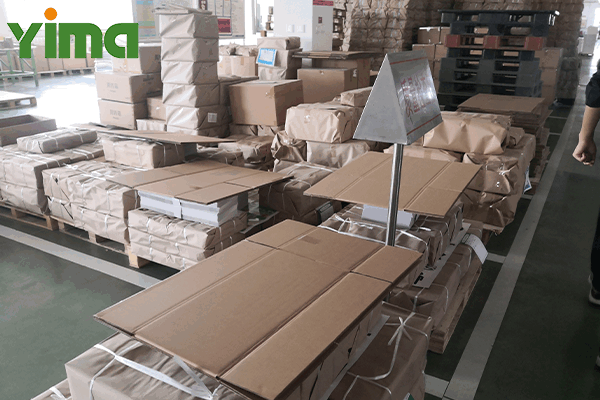
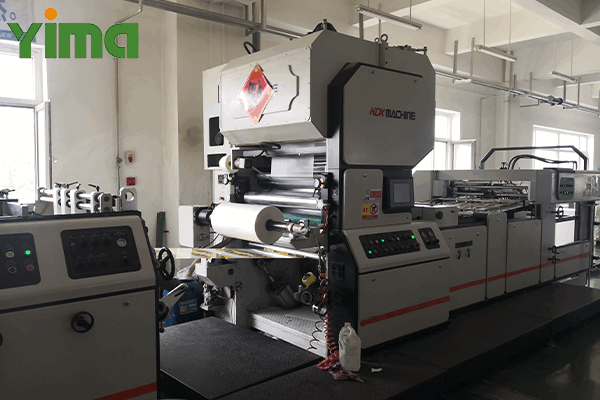

About delivery
How to shipping?
We need to consider both the shipping time and cost to select the best mode of transport, fast and economical.
We have a complete logistics supply system, including air freight, sea freight, railway, truck, express delivery, etc.
Our main partners include: DHL (Member), FedEx (Member), UPS, K&N, etc.
Shipping time reference (Door to door):
• Express (DAP): 4 – 8 working days.
• Air (DDP or DAP): 10 – 12 working days
• Railway & Truck (DDP): 30 – 40 working days
• Fast ship(DDP): 24 – 28 working days
• Ship (DDP): 40 – 50 working days
The finial time depends on the goods weight and country/region.
